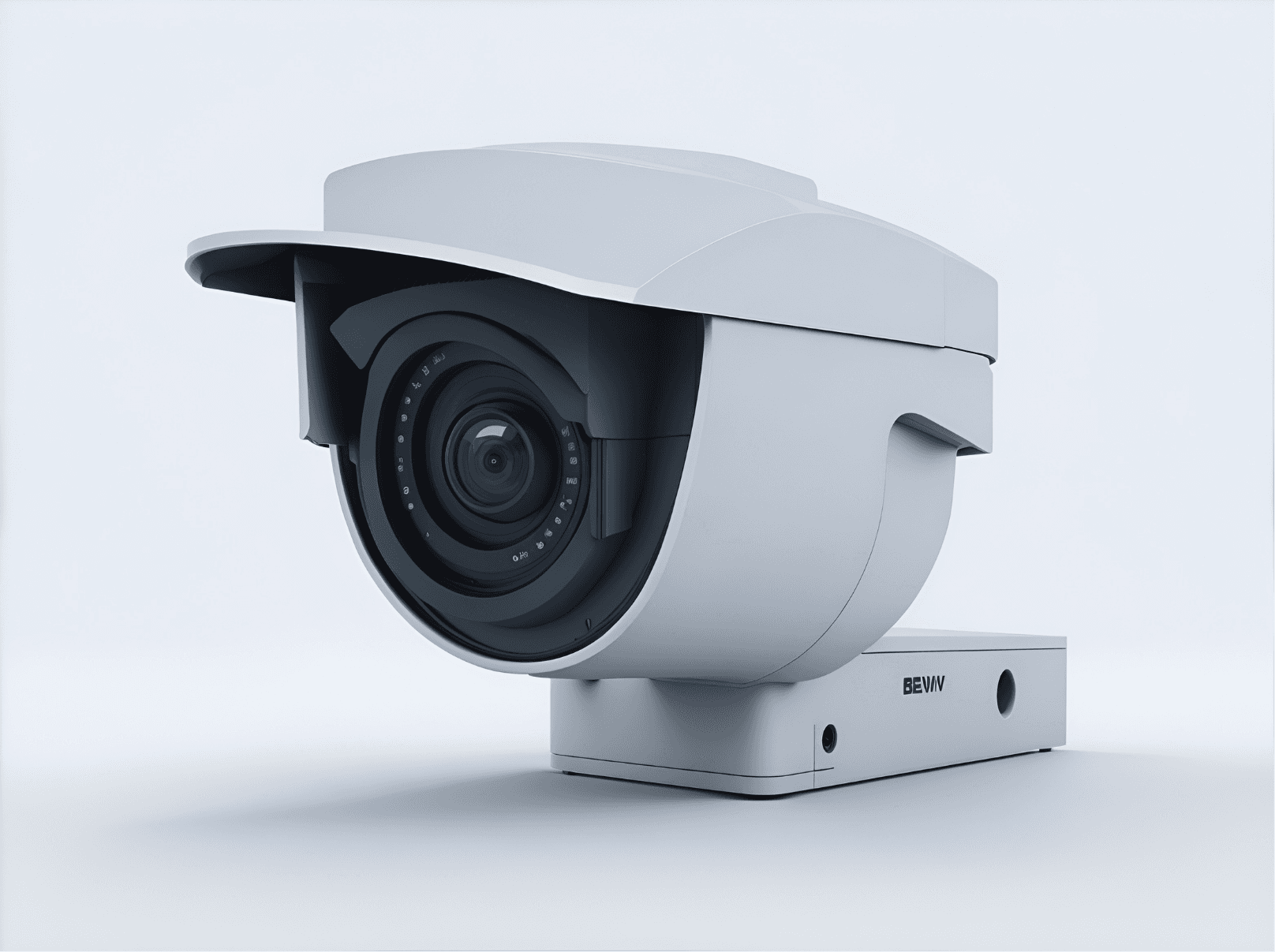
Over the last decade, surveillance technology has evolved far beyond simple cameras that record video footage. With the rapid advancement of artificial intelligence (AI), CCTV monitoring has transformed from a reactive, manual process into a proactive, intelligent security solution.
Traditional CCTV monitoring had a fundamental limitation: it required human operators to watch hours of footage and manually identify suspicious activities. This often meant that security teams were reacting after incidents had occurred. With AI integration, however, CCTV systems are no longer passive. They actively process video streams in real-time using advanced algorithms, computer vision, and machine learning models. This means they can recognise faces, detect objects, track movement patterns, and even understand context.
This transition marks a profound shift from surveillance as a deterrent to surveillance as an active safety and operational tool.
Key Benefits of AI-Driven CCTV Monitoring

- Real-Time Threat Detection
AI-enhanced systems can detect anomalies instantly, whether it is a person moving in a restricted zone, a suspicious package left unattended, or an unusual pattern of movement. Instead of relying solely on human attention, which can waver, AI algorithms process every frame with consistent accuracy. This real-time detection allows security teams to intervene immediately, reducing response times and potentially preventing incidents from escalating. In high-risk environments such as airports, banks, or government buildings, seconds can make the difference between a contained incident and a major security breach. - Reduced Human Error
No matter how skilled, human operators can only monitor multiple screens for so long before fatigue sets in. The average person’s attention span drops significantly after just 20 minutes of continuous monitoring, and in large control rooms, this can mean missing vital details. Intelligent surveillance removes this limitation by tirelessly analysing data 24 hours a day without breaks or lapses in concentration. This ensures that every frame is scrutinised with the same level of detail, minimising the chances of an important event going unnoticed. It does not replace human decision-making but serves as a powerful assistant, constantly scanning for anomalies that require a human touch. - Cost Efficiency
While these advanced monitoring solutions require a significant upfront investment in both hardware and software, they often prove to be more cost-efficient over time. By automating routine monitoring tasks, organisations can reduce the size of security teams needed for constant screen-watching and allow staff to focus on more complex or urgent matters. The technology can also help prevent costly incidents before they occur. For example, it can detect shoplifting before the perpetrator leaves the store, or it can identify safety hazards that could lead to expensive lawsuits. In addition, automated alerts mean faster responses, which reduces the damage and costs associated with delayed intervention. For large enterprises with hundreds of cameras, this approach provides a scalable and financially sustainable way to maintain security. - Advanced Object and Behaviour Recognition
One of the most powerful features of AI surveillance is its ability to recognise specific objects and behaviours with a high degree of accuracy. This capability goes beyond simply detecting movement. It can identify whether a person is carrying a weapon, whether a vehicle has an unauthorised license plate, or whether a crowd is forming unexpectedly. Behavioural recognition is particularly valuable in environments such as schools, stadiums, or public transport hubs, where unusual actions such as running, loitering, or aggressive movements could indicate an emerging security situation. The system can also be trained for sector-specific needs, such as detecting when workers in a construction zone are not wearing the required safety gear. This transforms monitoring from a passive tool into an intelligent system that understands context and can act accordingly. - Data-Driven Insights
Beyond security, intelligent monitoring offers the ability to gather and analyse operational data that can inform better business decisions. In retail environments, analytics can reveal which store areas receive the most foot traffic and which products attract the most attention. This information can guide store layout adjustments, promotional placement, and staffing decisions. In transportation hubs, analysing passenger flow can improve crowd management and reduce congestion. In industrial settings, video analysis can highlight workflow inefficiencies or repeated safety violations, enabling proactive solutions. In this way, the technology becomes a tool for both protection and productivity improvement. - Scalability and Remote Monitoring
Modern systems can easily scale to monitor thousands of cameras across multiple sites, all connected to a centralised monitoring dashboard. This allows security personnel to oversee large operations from a single location and even manage responses remotely. For multinational corporations, universities with multiple campuses, or sprawling industrial complexes, this capability drastically reduces the need for on-site monitoring teams. Remote access also enables incidents to be reviewed and addressed in real-time, regardless of the physical location of security managers. - Integration with Other Systems
These solutions often integrate seamlessly with other security and operational technologies. For instance, they can link with access control systems, automatically locking or unlocking doors based on recognised personnel. They can also work with alarm systems to trigger sirens or notifications when certain conditions are met, and with IoT devices to respond to environmental changes such as smoke detection or temperature spikes. This interconnectedness creates a unified and automated security ecosystem, where different systems work together to enhance safety and operational efficiency.
Potential Use Cases of AI CCTV Monitoring
AI-enhanced surveillance technology has the potential to serve a wide range of purposes beyond traditional security monitoring. While many of these applications are still emerging or being tested, they illustrate how the technology could be applied across industries and public services in the near future.
- Tracking Missing and Wanted Individuals
One possible application is assisting in the search for missing persons or identifying individuals on wanted lists. In theory, AI-powered facial recognition could scan live video feeds from multiple cameras to match faces with those in official databases. This capability could allow law enforcement to quickly locate individuals in public spaces such as transportation hubs, shopping centres, and other high-traffic areas. For missing children in particular, such technology might significantly reduce search times by identifying appearances across connected camera networks. - Enterprise and Workplace Safety
In corporate and industrial environments, smart surveillance could help enforce safety compliance and reduce workplace accidents. Cameras could be trained to detect whether workers are wearing required protective gear such as helmets, gloves, or high-visibility clothing. They might also be used to monitor for unsafe behaviours like entering restricted areas or operating machinery incorrectly. Beyond safety, businesses could explore using these systems for protecting sensitive areas, monitoring inventory, and identifying potential insider theft. - Public Security and Law Enforcement
City authorities could use intelligent monitoring to enhance public safety and urban management. The systems might detect unusual activities such as prolonged loitering in sensitive locations, unattended items, or rapid crowd formation that could signal unrest. They could also be used for automated license plate recognition to assist in identifying stolen vehicles or tracking traffic violations, making it easier to manage incidents quickly and efficiently. - Retail and Commercial Spaces
In retail environments, the technology could be used to help prevent theft by flagging potential shoplifting behaviours in real time. It might also provide insights into customer movement patterns, highlighting the most visited areas of a store. This data could then guide changes to store layouts, promotional placement, and staffing schedules. The combination of security enhancement and operational insight could help retailers boost both safety and profitability. - Transportation Hubs and Critical Infrastructure
Airports, train stations, and seaports might implement AI-based monitoring to observe passenger flows, detect unattended baggage, and control access to secure zones. Critical infrastructure sites such as power plants or water treatment facilities could use the technology to detect intrusions or hazardous conditions before they escalate. These applications could help protect essential services while improving operational awareness.
Challenges of AI CCTV Monitoring
 Although intelligent surveillance offers significant benefits, its adoption is not without obstacles. Understanding these potential challenges is crucial for organisations considering the technology.
- Privacy Concerns
One of the most pressing issues is the impact on privacy. AI-driven features such as facial recognition and behavioural tracking can raise serious ethical questions, especially if used without clear consent. In public spaces, people may feel uncomfortable knowing they are being analysed in detail, even if the purpose is security. Without strict policies and transparency, these concerns can lead to public backlash and legal disputes. Striking a balance between security and privacy is essential to building public trust. - Data Security
Such systems often rely on cloud storage or connected networks to process and store video data. This introduces a risk of cyberattacks and unauthorised access. A breach could expose sensitive footage, potentially compromising security operations and individual privacy. Organisations must therefore invest in robust cybersecurity measures such as encryption, secure authentication, and regular security audits to protect their surveillance data. - High Initial Investment
The initial cost of deploying AI-enhanced monitoring can be a significant barrier, particularly for smaller businesses. Expenses include not only the cameras and AI software but also infrastructure upgrades, data storage solutions, and staff training. While the long-term return on investment can be compelling, the upfront expenditure requires careful budgeting and strategic planning. - Algorithm Bias
AI systems learn from the data they are trained on, and if that data is biased or incomplete, the system’s outputs can reflect those biases. This could lead to inaccurate identifications or disproportionate flagging of individuals from certain demographic groups. Regular testing, retraining, and auditing of AI models are essential to minimise these risks and ensure fair and accurate performance. - Dependence on Technology
As powerful as these solutions are, over-reliance on automated systems can lead to complacency among human operators. False positives and false negatives remain possible, and human oversight is still necessary for context-based decision-making. A balanced approach that combines AI efficiency with human judgment is essential to ensure accurate and fair surveillance outcomes. - Legal and Regulatory Compliance
Different countries and regions have varying laws regarding surveillance, data retention, and facial recognition technology. Non-compliance can result in heavy fines and reputational damage. Organisations must stay informed about relevant regulations and ensure that their deployments meet all legal requirements in the jurisdictions where they operate.
Conclusion
AI-powered CCTV monitoring represents a transformative leap forward in security and surveillance. It provides real-time insights, reduces human error, enables proactive threat prevention, and delivers operational benefits beyond security alone. However, organisations must navigate challenges such as privacy concerns, high initial investment, and regulatory compliance. When implemented thoughtfully, these systems can enhance safety, improve operations, and help create smarter and more secure spaces.
References
- Badidi, E., Moumane, K., & Ghazi, F. E. (2023). Opportunities, Applications, and Challenges of Edge-AI Enabled Video Analytics in Smart Cities: A Systematic Review. IEEE Access, 11, 80543–80572. https://doi.org/10.1109/ACCESS.2023.3300658
- Haritha, K., Geethika, N. S., Venkateswarlu, K., Kumar, R. H., & Ramakrishna, Y. (2025). Enhancing Public Safety with AI & ML-Based CCTV Surveillance. International Journal for Modern Trends in Science and Technology, 11(3), 322–331.
- Medium. (2023, August 14). The Future of CCTV: Emerging Technologies and Applications. Medium. https://medium.com/@techboy7823/the-future-of-cctv-emerging-technologies-and-applications-f9ceeb43c9ca
We are Kainovation Technologies, leading the way in AI, ML, and Data Analytics. Our innovative solutions transform industries and enhance business operations. Contact us for all your AI needs.